
Do They Still Make Neon Signs?
If you picture glowing diner windows, buzzing “Open” signs, or the bright lights of mid-century city streets, you’re probably thinking of neon. These iconic signs defined much of 20th-century advertising and nightlife—but in today’s LED-filled world, many people  wonder: do they still make neon signs?
The short answer is yes—real neon signs are still being made. However, the longer answer reveals a fascinating shift in technology, craftsmanship, and design trends.
Traditional Practice
Traditional neon signs are created using hand-bent glass tubes filled with gases like neon or argon. When electricity passes through the tube, it produces that unmistakable warm glow. This process hasn’t changed much since neon signage first appeared in the early 1900s, and it still requires skilled artisans to heat, shape, and seal each tube by hand.
Despite this craftsmanship still being alive, the industry itself has shrunk significantly. Neon signs were once everywhere—especially in the U.S. from the 1920s through the 1950s—but their popularity declined as newer, cheaper technologies emerged.
Today’s Technology
That newer technology is LED, specifically what’s often called “LED neon.” These signs mimic the look of traditional neon using flexible plastic tubing and light-emitting diodes. They’re cheaper, more durable, energy-efficient, and easier to mass-produce. In fact, LED signs can last over 50,000 hours, while traditional neon typically lasts far less and requires more maintenance.
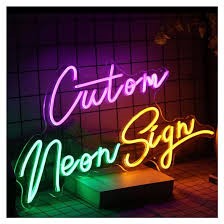
Because of these advantages, LED alternatives have largely taken over the commercial signage market. Many of the “neon” signs you see today—especially in homes, weddings, or modern storefronts—aren’t true neon at all. They just look like it.
Still, Real Neon is Simply More Niche
Today, authentic neon signs are often used for artistic purposes, boutique branding, and restoration projects. Cities and preservationists even work to maintain historic neon signage because of its cultural value and nostalgic appeal. For some businesses and collectors, nothing can replace the depth, warmth, and character of real glass neon.
There’s also a growing appreciation for the craftsmanship behind it. Each genuine neon sign is essentially handmade, making it more like functional art than mass-produced decor. This uniqueness is part of why real neon tends to be significantly more expensive  than LED alternatives.
In recent years, there’s even been a small resurgence of interest. While large-scale commercial use continues to decline, artists, designers, and enthusiasts are keeping the tradition alive—often blending neon into modern interiors or using it in creative installations.
So, Do They Still Make Neon Signs?
Absolutely. But they’re no longer the default choice. They’re a specialty. Think of it this way: LED signs are the practical, modern solution, while real neon is the classic, handcrafted original. One is about efficiency and convenience; the other is about atmosphere and artistry.
And as long as people continue to value that unmistakable glow, neon signs aren’t going anywhere. They’re just shining in a different way than before.
Click Here for More Information
Back