
The Art of Hand-Painted Signs: A Dying Tradition?
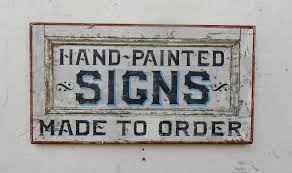
In a world dominated by digital printing and mass production, the art of hand-painted signs stands as a testament to a bygone era. Once a ubiquitous sight, these meticulously crafted signs, with their unique character and charm, are becoming increasingly rare. But is this beautiful tradition truly fading away, or is it experiencing a quiet resurgence?
For generations, hand-painted signs were the backbone of visual communication. From storefronts to advertising billboards, these signs were created with skill and dedication, each stroke of the brush adding personality and depth. The sign painter,  or “letterhead,” was a respected artisan, possessing a mastery of lettering, color theory, and composition. Their work was not just about conveying information; it was about creating a visual experience that resonated with the viewer.
The rise of digital printing in the late 20th century marked a significant turning point. Suddenly, signs could be produced quickly and cheaply, with perfect uniformity. This efficiency, while undeniably practical, came at the cost of individuality and craftsmanship. The unique imperfections and nuances that made hand-painted signs so captivating were lost in the sterile precision of machine-printed alternatives.
As a result, many sign painters found their skills less in demand, and the tradition began to decline. The younger generation, drawn to the allure of digital technology, showed less interest in the laborious process of hand-lettering. The fear that this art form would disappear entirely became a real concern.
However, amidst the digital revolution, a counter-movement has emerged. A growing appreciation for authenticity and craftsmanship has sparked a renewed interest in hand-painted signs. Businesses seeking to differentiate themselves from the mass-produced aesthetic are turning to sign painters to create unique and memorable signage.
This resurgence is fueled by several factors. Firstly, there’s the undeniable charm and character of hand-painted signs. They possess a warmth and human touch that digital prints simply cannot replicate. Secondly, there’s the growing awareness of the environmental impact of mass production. Hand-painted signs, often created using traditional materials and techniques, offer a more sustainable alternative.
Moreover, social media platforms like Instagram and Pinterest have played a crucial role in showcasing the beauty and artistry of hand-painted signs. The hashtag #handsignpainting has become a virtual gallery, connecting sign painters with clients and enthusiasts worldwide. This visibility has helped to revive interest in the craft and inspire a new generation of sign painters.
While the number of practicing sign painters may be smaller than in the past, their influence is growing. Workshops and apprenticeships are popping up, passing down the skills and knowledge of this traditional art form. The focus has shifted from mass production to bespoke creations, catering to a clientele that values quality and craftsmanship.
The art of hand-painted signs is not simply a nostalgic relic of the past; it’s a living tradition that continues to evolve and adapt. While challenges remain, the renewed appreciation for authenticity and craftsmanship suggests that this beautiful art form is far from dying. Instead, it’s experiencing a revival, finding its place in a world that increasingly values the unique and the handmade. A craft that refuses to fade.
Click Here for More Information
Back